
A Guide to a Multimodal Approach to Chronic Pain Management in Dogs
There can be many health issues which lead to a dog developing chronic pain. One of the most prevalent reasons is osteoarthritis (OA), which is estimated to affect around 35% of all dogs and up to 80% of dogs over the age of 8 years old.
Osteoarthritis can occur for a number of reasons and is often secondary to other musculoskeletal or orthopaedic problems. Conditions such as hip or elbow dysplasia, patellar luxation, cruciate disease, previous fractures and joint instability can all contribute to changes within a joint and may increase the risk of OA developing.
There is no cure for OA, so for a dog living with the associated long-term or chronic pain the aim is to reduce the pain, improve comfort, maintain mobility and maintain a good qualty of life.
There isn't a single treatment that works for every dog, and there isn't a wonder drug or supplement which will cure chronic pain. Pain can also be complex and experienced differently by everyone, including dogs, which is why a multi-modal approach can be so valuable.
A multimodal approach means using a combination of different strategies selected for the individual dog. This may include medication, complementary therapies, exercise, nurtrion, lifestyle and environmental changes and in some cases surgical or regenerative options.
Current veterinary pain management guidance supports this approach with regular reassessment and adjustment of the plan as the dog's needs change.
Pain Relief Medication
There are many options available for pain medication. Long term of chronic pain is usually treated initally with NSAIDs or non-steroidal anti-inflammatory drugs. There are many variations of these drugs. There are also many other medications available to help manage pain which may be added to a dogs plan or used instead of NSAIDs depending on the dogs needs - these include but are not limited to amantadine, gabapentin, librela, pardalve V and ketamine. Which medication is best for your dog will depend on their diagnosis and current health.
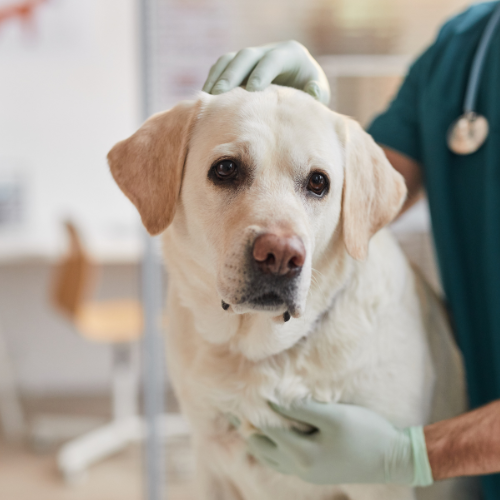
Pain relief medication or analgesia can only be prescribed by a veterinary surgeon. Dogs who need long term pain relief will need regular reviews by a veterinary surgeon to ensure the medication remains appropriate and to assess the impact on other bodily systems.
If the thought of long-term pain relief feels dauting talk it over with your vet and explain your concerns.
Complementary Therapies
Complementary therapies complement regular medical treatment. Most have few side effects and are relatively safe, however there can be contraindications to some treatments and it is a legal requirement for many therapists to have consent from your dog's veterinary surgeon before treatment can begin (check with the therapist you contact to confirm). Complementary therapies should not be viewed as a replacement for appropriate veterinary diagnosis, medication or other medical intervention.
There are many different types of complementary and rehabilitation therapy available and what is appropriate will depend on the individual dog, their diagnosis and current health.
Some examples include:
Physiotherapy
A veterinary physiotherapist may use a wide range of techniques depending on the individual dog. These can include therapeutic exercise, rehabilitation programmes, manual therapy and physical modalities such as laser therapy.
Exercise and rehabilitation can help dogs maintain strength, mobility and function, while also helping owners understand how best to support thier dog at home.
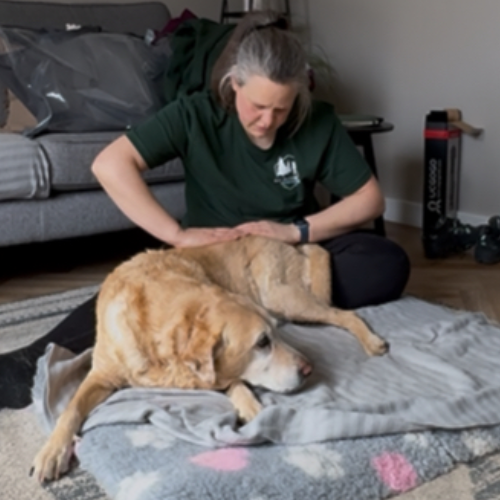
Galen Myotherapy/Canine Massage
Myotherapy and massage can be used as part of a wider plan. Depending on the individual dog, treatment may help to reduce muscular tension, promote relaxation, maintain comfortable movement and support areas of the body that may be compensating for an underlying problem.
The aim isn't simply to massage the painful area. Chronic pain can affect how a dog moves and distributes weight, meaning other muscles and area of the body may also become involved.
Acupuncture
Acupuncture involves the insertion of fine needles over specific points in the body. It is used to stimulate nerves and help reduce pain and relax muscles. The needles stay in place for short duration and removed at the end of the treatment. In the UK acupuncture on animals can only be carried out by a veterinary surgeon.
Hydrotherapy
Hydrotherapy can provide an opportunity for controlled exercise while reducing some of the weight-breaing demands placed on the limbs. Depending on the dog and the underlying condition it can be used to help maintain and build muscle strength, mobility and fitness.
Lifestyle Changes
Pain management doesn't only happen during treatment session or when medication is given. What happens at home every day can have a significant impact on a dogs' comfort.
Exercise
How, when and how often your dog is exercised are all important considerations.
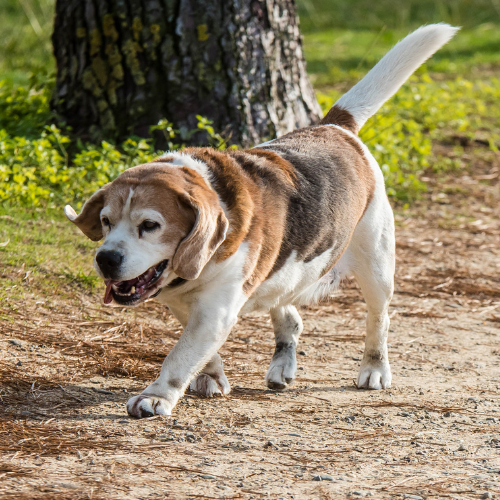
For some dogs living with chronic pain, little and often may be more appropriate than one long walk. Breaking activity into manageable periods can allow a dog to remain active without placing excessive demands on their body.
This doesn't mean that exercise should be stopped. In many cases, maintaining appropriate movement is an important part of managing chronic pain. The type and amount of exercise should to tailored to the individual dog.
The Home Environment
Small changes around the home can make a surprisingly big difference to a dog living with chronic pain.
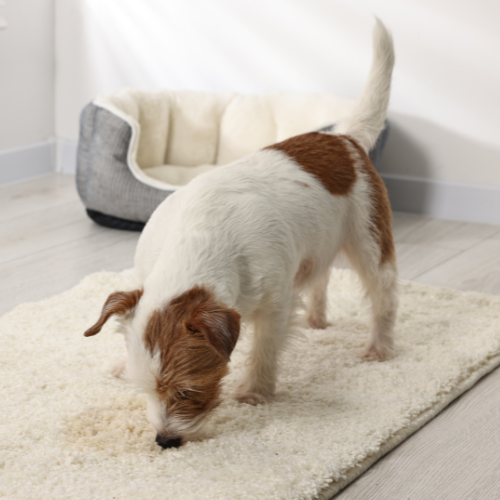
Slippery floors - All dogs can find slippery flooring difficult to navigate but this is even more so for dogs with unstable or painful joints. They may have to work harder to stabilise, and slipping can increase the risk of injury. Non-slip rugs or mats can give dogs more secure footing.
Steps and Ramps - getting in and out of the car can place considerable demands on a dog's joints. A suitable ramp or set of steps may make this easier and reduce the need for jumping.
Access to furniture - if your dog is allowed on the sofa or bed, consider whether they can get on and off safely. Steps or a ramp can reduce the need for repeated jumping, particularly for smaller dogs. For larger dogs, always ensure they are climbing on and off the sofa from a non-slip surface.
Food and water bowls - the position and height of bowls can be worth considering for some dogs. There isn't a single bowl height that is right for every dog, so using boxs or books to try different heights can be helpful to determine if it is helpful.
Nutrition
Nutrition is another important part of managing a dog with chronic pain. What nutrition is suitable will depend on the underlying condition, however I have focussed on osteoarthritis for this section.
Weight - maintaining a healthy weight not only decreases the mechanical load on the joints but it also reduces adipose tissue which can be inflammatory and increase inflammation in the body.
Diet - it is always important that dogs get adequate nutrition to maintain normal body function. This may change as your dogs needs change.
Supplements - at present, omega 3 fatty acids are what we have the most evidence for. Evidence shows that omega 3 derived from marine sources (often green lipped mussel) can help reduce inflammation and support healthy joints. There are many supplements on the market and just because they claim to help joints does not always mean they do.
And Sometimes The is More to Consider
Where pain cannot be suitably managed and for certain underlying conditions their may be other options such as surgery or injectables.
Your dogs' multimodal pain management plan should be tailored to your dog's individual needs and personality. Check out my blog post and not forgetting to include joy here.
How I Can Help
I am a Galen Myotherapist working in Newcastle upon Tyne, and I can support your dog's multimodal pain-management plan alongside your veterinary team.
My role is not to replace veterinary care or prescribe medication. Instead, I can work as part of your dog's wider care team, using myotherapy to support comfortable movement, address muscular tension and help your dog maintain quality of life.
If your dog is living with chronic pain, speak to your vet about putting together an individual management plan.
Further information is available here.
Further Reading
- American Animal Hospital Association – 2022 Pain Management Guidelines for Dogs and Cats
- Canine Arthritis Management
- Royal College of Veterinary Surgeons – Treatment of animals by unqualified persons